Zing Forum

Reading

Codex-Pets: Desktop Pixel Pets That Interact with AI Coding Assistants

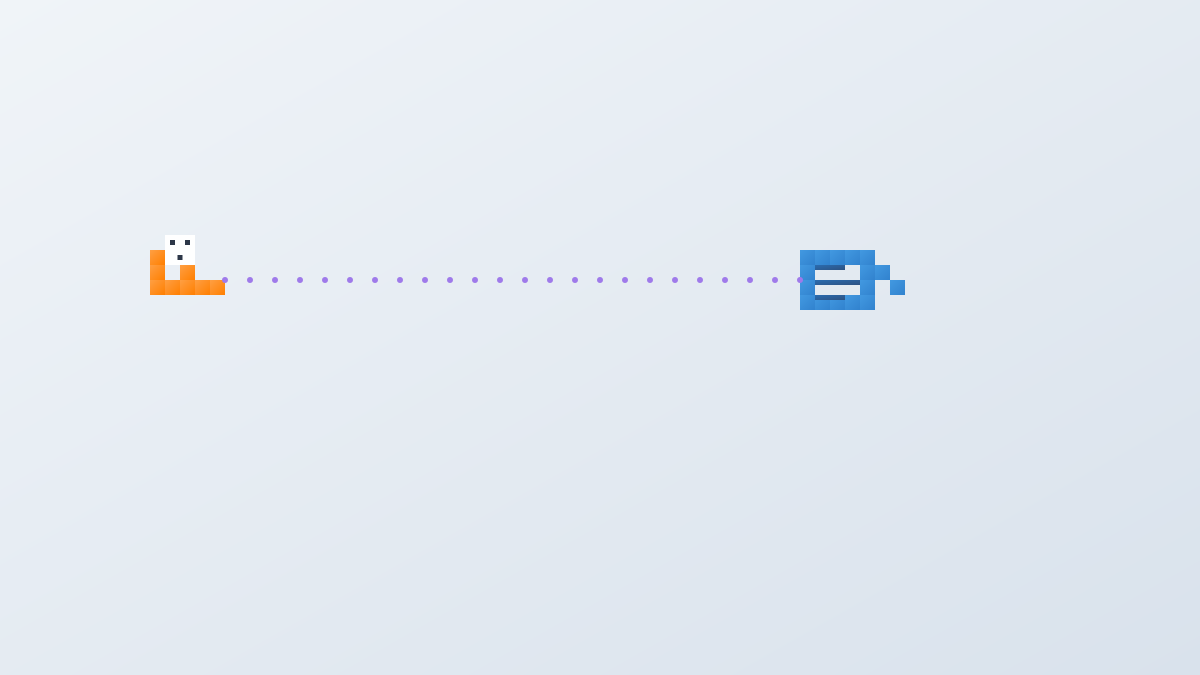
The open-source project codex-pets brings developers a desktop pixel pet that can interact with AI coding assistants like Claude Code, Cursor, and Codex. This lightweight app lets over 200 pixel pets wander and rest on your screen, adding fun to programming work.

桌面宠物AI编程助手像素艺术开发者工具Claude CodeCursorCodexGitHub Copilot开源Windows应用
Published 2026-06-15 20:50Recent activity 2026-06-15 21:24Estimated read 6 min
Codex-Pets: Desktop Pixel Pets That Interact with AI Coding Assistants
1

Section 01

Introduction: Codex-Pets—Desktop Pixel Pets That Interact with AI Coding Assistants

The open-source project codex-pets provides developers with a desktop pixel pet app that can interact with AI coding assistants such as Claude Code, Cursor, and Codex. This lightweight tool includes over 200 pixel pets that can move freely on the screen, adding fun and companionship to programming work. The project is open-source under the MIT License and supports Windows systems.


2

Section 02

Project Background and Creative Inspiration

As AI coding assistants like GitHub Copilot and Claude Code have become daily tools for developers, efficient coding also brings a sense of loneliness. The codex-pets project was born to inject a lighthearted companionship element into developers' digital workspaces by combining the classic desktop pet concept with modern AI tools.

3

Section 03

Core Features

  1. Rich Pet Selection: 200+ pixel pets (animals, fantasy creatures, tech characters, etc.) with support for multiple pets active at the same time;
  2. Intelligent Behavior System: Pets can follow the mouse, respond to clicks, rest at edges, and have natural movement algorithms;
  3. AI Tool Integration: Link with AI assistants like Claude Code, Cursor, GitHub Copilot to give animated feedback on events like code generation and error detection;
  4. System Notification Response: System events like compilation results and test passes trigger different reactions from pets;
  5. Growth System: Raise pets from eggs to increase emotional investment.
4

Section 04

Technical Implementation Details

  • Lightweight Architecture: Only 2GB of memory usage, ~100MB installation package, low CPU consumption;
  • Rendering Layer Design: Pets are displayed on a special system layer, above windows but below input boxes, so they don't interfere with operations;
  • Customization Support: Allows importing custom pixel pets in standard image formats and supports community sharing.
5

Section 05

Applicable Scenarios and Value

  • Individual Developers: Relieve loneliness from remote/independent programming;
  • Team Collaboration: Pet reactions can be a light topic and indirectly reflect work status;
  • Programming Education: Lower learning barriers and increase fun;
  • Live Streaming Creation: Add visual interest to the screen and help viewers understand coding status.
6

Section 06

Installation Configuration and Privacy Security

System Requirements: Windows 10/11, 2GB RAM, 100MB space; Installation Steps: Download the exe file from GitHub Releases, install as prompted, and manage configurations via the tray icon; Privacy and Security: MIT open-source, no data collection, runs locally, only interacts with the display layer, no access to sensitive files.

7

Section 07

Community Expansion and Limitations

Community Direction: Encourage custom pet creation, theme pack sharing, and behavior script expansion; Potential Expansions: Future plans to support macOS/Linux, more AI tools, collaboration features, and sound feedback; Current Limitations: Only supports Windows, basic AI integration, simple pet behavior patterns; Usage Suggestions: Hide pets during demos, minimalist users can adjust transparency or pause the function.

8

Section 08

Conclusion: The Combination of Technology and Companionship

codex-pets is an attempt to humanize developer tools. In the AI-dominated programming era, it brings fun and companionship to developers in a small but beautiful way. The project is open-source and welcomes community contributions; the jumping pixel pets on the screen may become a warm touch in the coding process.

